
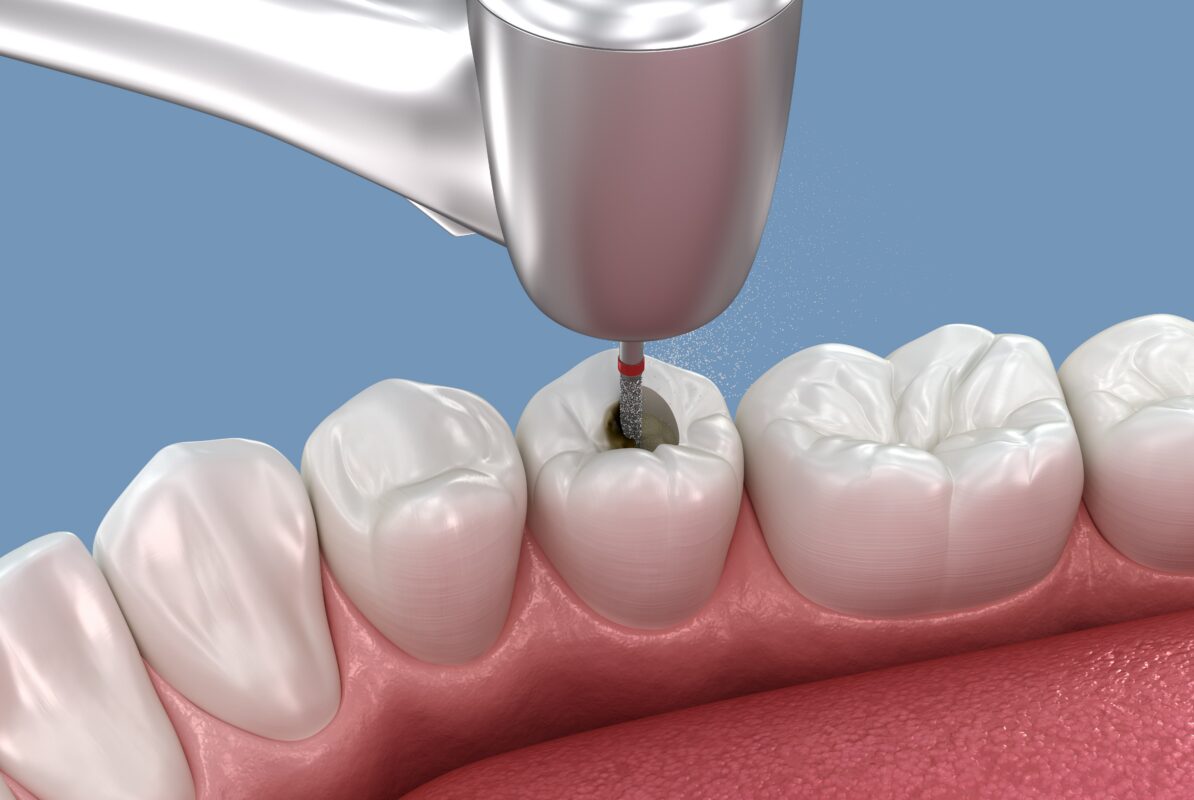
Root canal therapy removes damaged or infected pulp, which is the soft tissue inside a tooth that contains nerves and blood vessels. We typically recommend it when the pulp is infected or inflamed. Dr. Jacob Bivona performs root canal treatment by removing the infected or inflamed pulp. Then he cleans and disinfects the root canals, fills them with a rubber-like material called gutta-percha, and seals them. The goal of a root canal is to eliminate the source of pain and infection, helping to preserve the tooth instead of extracting it. Sometimes, curious patients wonder why we may follow up root canal treatment with a crown. When root canal therapy removes a significant amount of natural tooth, dental crowns can restore the tooth’s strength and shape.
At Bivona Family Dental, preserving your natural tooth whenever possible is an important part of treatment planning. Because we offer root canal therapy and CEREC same-day crowns, Dr. Bivona can treat the infection inside the tooth and restore it with a custom permanent crown in one day.
Why Your Dentist May Recommend a Crown After a Root Canal
 Dr. Bivona may recommend a crown after a root canal. Why?
A root canal treats the inside of the tooth by removing inflamed, infected, or dead pulp and cleaning and sealing the root canals. But when too little tooth structure remains, Dr. Bivona may recommend a crown to restore and protect the tooth above the gumline.
Existing decay, cracks, or previous dental fillings can chip away at the remaining healthy tooth structure. We also need to consider how biting and chewing forces affect the restoration. Root canal treatment addresses the problem inside the tooth. However, it doesn’t replace tooth structure already lost to decay or damage. A crown covers the remaining tooth structure and helps protect weakened areas from breaking under biting pressure.
A dental crown is a cap that covers the visible portion of a tooth, restoring its shape and protecting it. With our in-house CEREC machine, we can produce tooth-colored ceramic crowns on the same day we perform the root canal. Our dedicated lab technician produces the crown based on a digital design of your tooth. This lets us fit and place the crown without waiting for an outside dental lab.
Root canal therapy seals the root canals, while the crown restores the tooth’s exterior.
Does Every Root Canal Need a Dental Crown?
It is very common for a crown to follow a root canal. Still, not every root canal needs a crown. The difference depends on factors such as:
- Tooth location: The location of the tooth helps determine whether it needs a crown. Back teeth typically need more protection after root canal treatment, while front teeth may not.
- Remaining tooth structure: The amount and condition of healthy tooth remaining help determine whether a crown is needed.
- Size of the access opening: The size of the opening made during treatment helps determine how much of the tooth needs to be restored.
- Prior dental work: The amount and condition of existing dental work help determine whether you need a new crown as part of your treatment.
If your tooth doesn’t need a crown, it will still need a permanent restoration to close the access site used during treatment. For some front teeth with enough healthy structure remaining, a bonded tooth-colored filling may be appropriate.
With so many factors to consider, whether your tooth needs a crown after root canal therapy depends on your unique smile. When you visit his office, Dr. Bivona can assess how much healthy tooth you have remaining.
Think You Need a Root Canal? Come in for a Visit!
Root canal therapy can save a tooth from extraction, but not every treated tooth will need a crown. If Dr. Bivona recommends a crown after root canal treatment, it’s because he believes your tooth will be stronger as a result. Our practice uses in-house CEREC technology to create same-day crowns.
You can count on Bivona Family Dental for comfortable root canal treatment you can complete in a single visit. Schedule your appointment today.